
 英語
英語 中文简体
中文简体 Русский
 Español
 Português
 Türkçe
 العربية
 Deutsch
 Polski
 Italiano
 Français
 한국어
한국어 ไทย
ไทย Tiếng Việt
 日本語
日本語
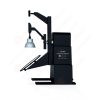
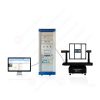
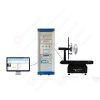

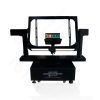
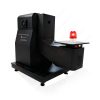
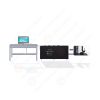
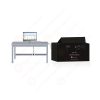











Multi-Movable socket – Outlets Mechanical Strength Testing Device
ユーザーズマニュアル
適用 LISUN モデル:LS-B11
1. 機器の基本的な理解
1.1 基本プロパティ
This device is intended for specialized testing of the mechanical strength of portable plugs for household and similar uses.
It is primarily used in electrical product quality inspection laboratories, the quality control departments of portable power strip manufacturers, third-party testing organizations, and for the inspection of products entering or leaving the country.
1.2 適用規格
Strictly in accordance with Clause 24.10 and Figure 29 of GB/T 2099.1-2021 “Plugs and Sockets for Household and Similar Uses—Part 1: General Requirements” (Clause 24.10 of IEC 60884-1:2022, Figure 32).
Conduct mechanical strength tests on portable power strips in accordance with the specified drop height, angle, and number of drops.
1.3 電子文書のダウンロード
電子版ユーザーマニュアル、校正証明書、保証書、その他の書類のダウンロードリンクは、出荷時にメールにて既にお送りしております。お早めにダウンロードしてください。メールが届いていない場合は、再度ダウンロードリンクをお送りしますので、弊社までご連絡ください。
2.使用上の注意
2.1 Operational Environment Safety Requirements
Operating environment temperature: 10°C to 35°C; relative humidity: 45% to 75%; no condensation, no corrosive gases, and no dust or airborne particles.
装置を水平で安定した作業台の上に置き、周囲に少なくとも30cmの作業スペースを確保し、振動源から遠ざけてください。
2.2 Safety Guidelines for Operators
During testing, no unauthorized personnel are permitted to enter or exit the test area, and no unrelated items may be placed in the area that could interfere with the test. Operators must securely clamp the flexible cable in the fixture to prevent it from loosening or falling during the test. It is strictly prohibited to use the equipment for non-standard tests to avoid equipment damage and safety incidents.
3. テスト設定の概要
| 数 | お願い |
| ① | Flexible cable clamp; the clamp can be rotated to different angles; height from the ground: 750 mm |
Front view, see Figure 3-1.
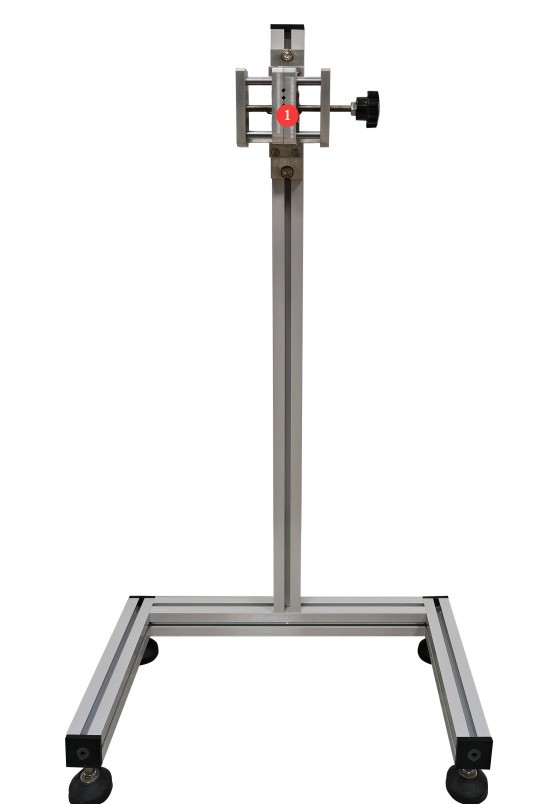
図3-1
Side view, see Figure 3-2.
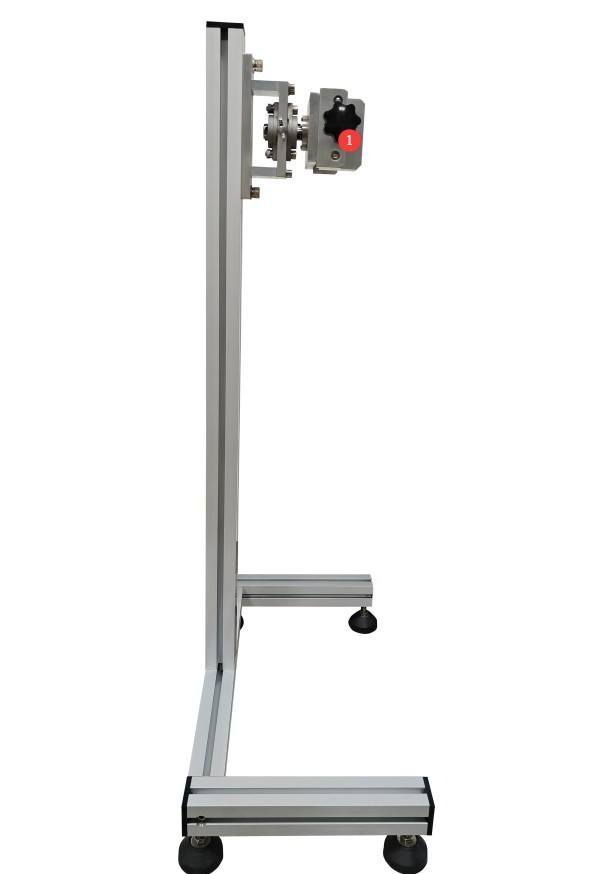
図3-2
4. Mechanical Strength Testing of Portable Power Strips
4.1 Pretreatment of Test Specimens
Select the portable power strips to be tested, discarding any nonconforming samples with surface dents, cracks, or obvious deformation, and ensuring they have not undergone any destructive testing.
4.2 Sample Clamping
See Figure 4-1 (image taken from the IEC standard). Secure the flexible cable to the equipment fixture; the length of the flexible cable between the fixture and the receptacle is 2250 mm.
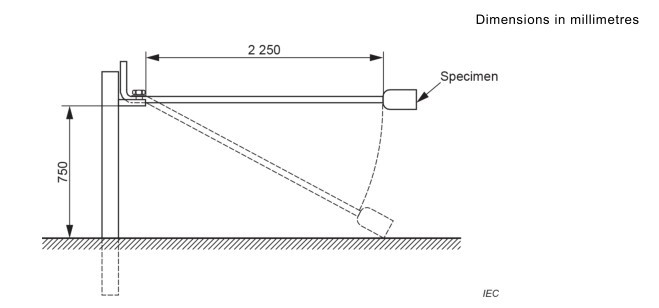
図4-1
4.3 テストプロセス
As described in Section 4.2, secure the free end of the flexible cable to the equipment fixture, hold the portable outlet test specimen, and position the flexible cable horizontally. Then drop the specimen onto a concrete floor 8 times. After each drop, rotate the flexible cable 45° at the secured end.
4.4 テスト結果の解釈
After the test, the test specimen shall not exhibit any damage within the range specified in the standard; in particular, no components shall become loose or detach.
Note: Minor scratches and dents that do not affect protection against electric shock or ingress of harmful water may be disregarded.
5. 試験後の手順
5.1 デバイスのリセット
Remove the flexible cable after the test is complete. When the equipment is not in test mode, do not leave the flexible cable clamped in the fixture for extended periods of time.
5.2 サンプルの準備
試験に合格したサンプルと不合格だったサンプルを分け、それぞれに明確なラベルを貼り、混同しないようにしてください。
5.3 試験場の清掃と整理整頓
Use a lint-free, soft cloth to wipe dust and debris from the surfaces of fixtures, brackets, and equipment. Tidy up the test area and remove any debris generated during the test.
6. 日常的なメンテナンスとケア
6.1定期メンテナンス
Apply rust-preventive oil to the clamps and brackets every three months to prevent metal corrosion; apply a small amount of neutral grease to the bearings to prevent them from seizing up.
6.2 校正間隔の要件
To ensure the accuracy and reliability of the device, it is recommended that it be sent periodically to a qualified third-party metrology institution for calibration. The recommended calibration interval is 12 months. The specific calibration interval may be determined by the user based on frequency of use, environmental conditions, and quality system requirements.
7. 一般的な問題のトラブルシューティングと解決
| 障害症状 | 考えられる原因 | 手順 |
| Changes in the Center Height of the Fixture | Loosening of mounting screws due to vibration during transport or prolonged use | The fixture position is adjustable; recalibrate and secure the fixture’s center height to 750 mm according to standard dimensions. |
| The fixture jerks when rotating | Dust buildup in bearings, insufficient lubrication, foreign objects lodged in bearings | Try again after removing dust from the bearings, replenishing the lubricating grease, and clearing any foreign objects from the clearances. |